What to Pack for a Great Walk in South East Queensland
Multi-day Great Walks in South East Queensland, like the Sunshine Coast Hinterland Great Walk, are incredibly rewarding, but they do demand a bit of planning. You’re often covering long distances over several days, with plenty of ups and downs, humid conditions, and camps that are completely off-grid.
On this post, we discuss what to pack for a Great Walk in South East Queensland, focusing on three key aspects of preparation that will cover everything you need for the walk: Clothing, Gear and Food. By optimising your choices in these areas, you can carry less weight without sacrificing comfort, safety, or nutrition.
Clothing: striking a balance between comfort and protection
Clotjing is one of the easiest places to get packing wrong. Too much and your pack is heavy; too little or the wrong materials and you’ll be uncomfortable very quickly.
Proper hiking socks (non-negotiable)
When you’re walking long distances over uneven terrain, good hiking socks are just as important as your footwear. I recommend merino wool or synthetic blends (like nylon or polyester) that offer moisture-wicking properties and cushioning. Quality socks will also help reducing friction and dramatically lower the risk of blisters.
Hiking boots or shoes with good grip
This might sound obvious, but it’s worth stating: don’t compromise here. SEQ Great Walks often involve rocky tracks, roots, creek crossings, and muddy sections after rain. Choose footwear that has solid grip (especially for wet conditions).
Lightweight hiking clothes
For SEQ conditions, breathable and quick-drying layers work best:
-
Moisture-wicking hiking shirt
-
Lightweight hiking shorts or pants
-
A long-sleeve layer for sun protection and cooler evenings
-
A compact rain jacket (essential, even in dry forecasts)
- Swimwear, for refreshing dips in creeks or waterfalls, especially in the hotter months
Warm layer for camp
Even in Queensland, nights in the hinterland can cool down, especially in winter. A lightweight insulated jacket or fleece is usually enough and adds very little weight.
Gear: safety, sleep, and smart weight savings
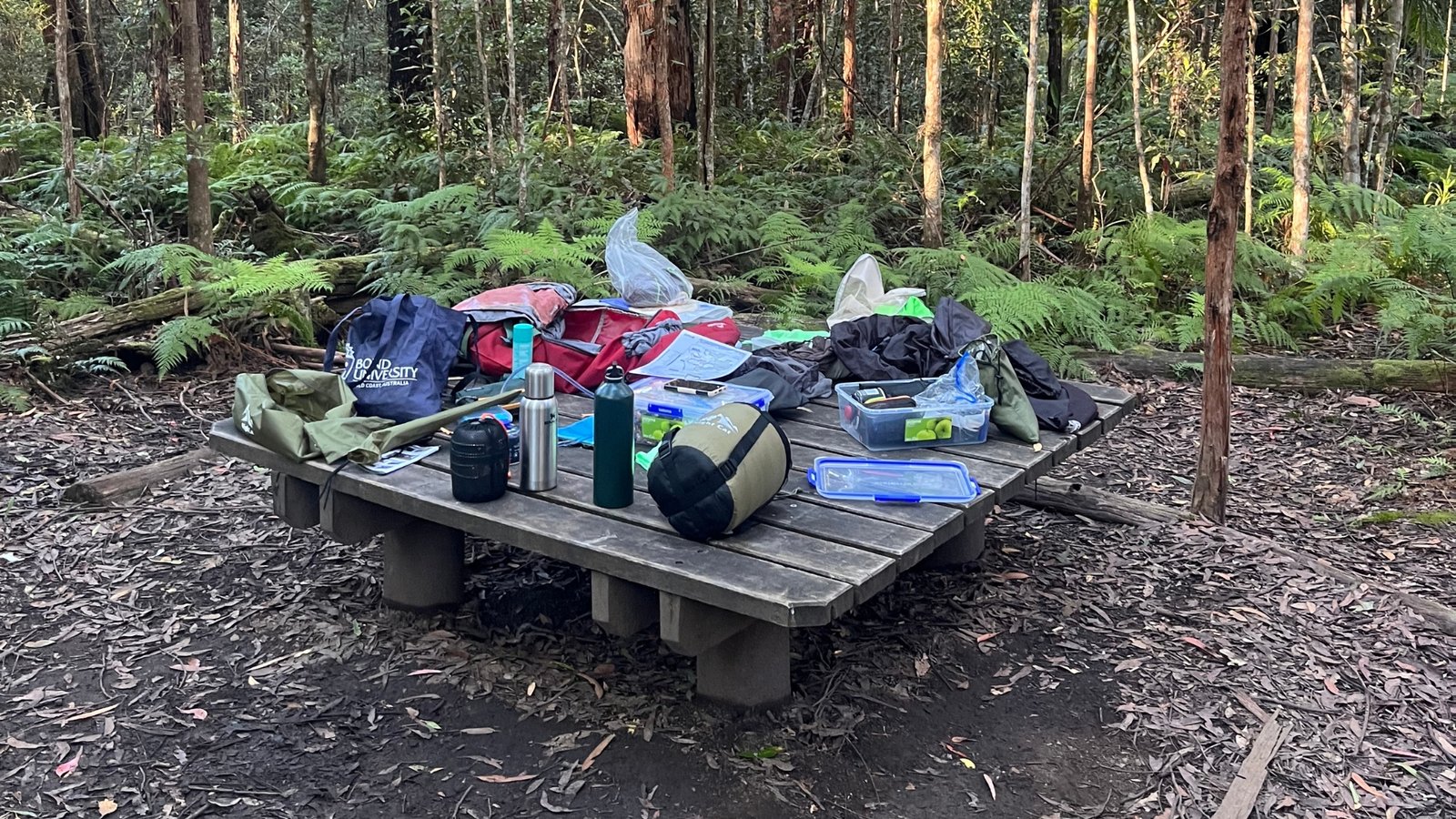
This is where weight can quickly blow out. The key is choosing multi-purpose and lightweight gear that still allows you to rest well and stay safe.
Water filter
Many Great Walk camps in South East Queensland provide rainwater tanks, but the water is not always treated. A compact water filter is a lifesaver, reduces the amount of water you need to carry, gives peace of mind when refilling at camps and weighs very little compared to carrying extra liters.
Refillable water bladder
Hydration is critical, especially in warmer months. A hydration bladder allows you to sip water as you walk, which helps you drink more consistently, and it’s lighter than a bottle or thermo.
PLB (Personal Locator Beacon)
If you’re walking through remote sections or solo, a PLB is invaluable. Mobile reception is unreliable on many Great Walks, and in an emergency this can be the difference between a scare and a serious situation. It’s one of those items you hope never to use, but you’ll be glad it’s there.
Lightweight shelter: hammock, swag, or tent
Your shelter is usually one of the heaviest items you’ll carry, so this is where smart choices matter.
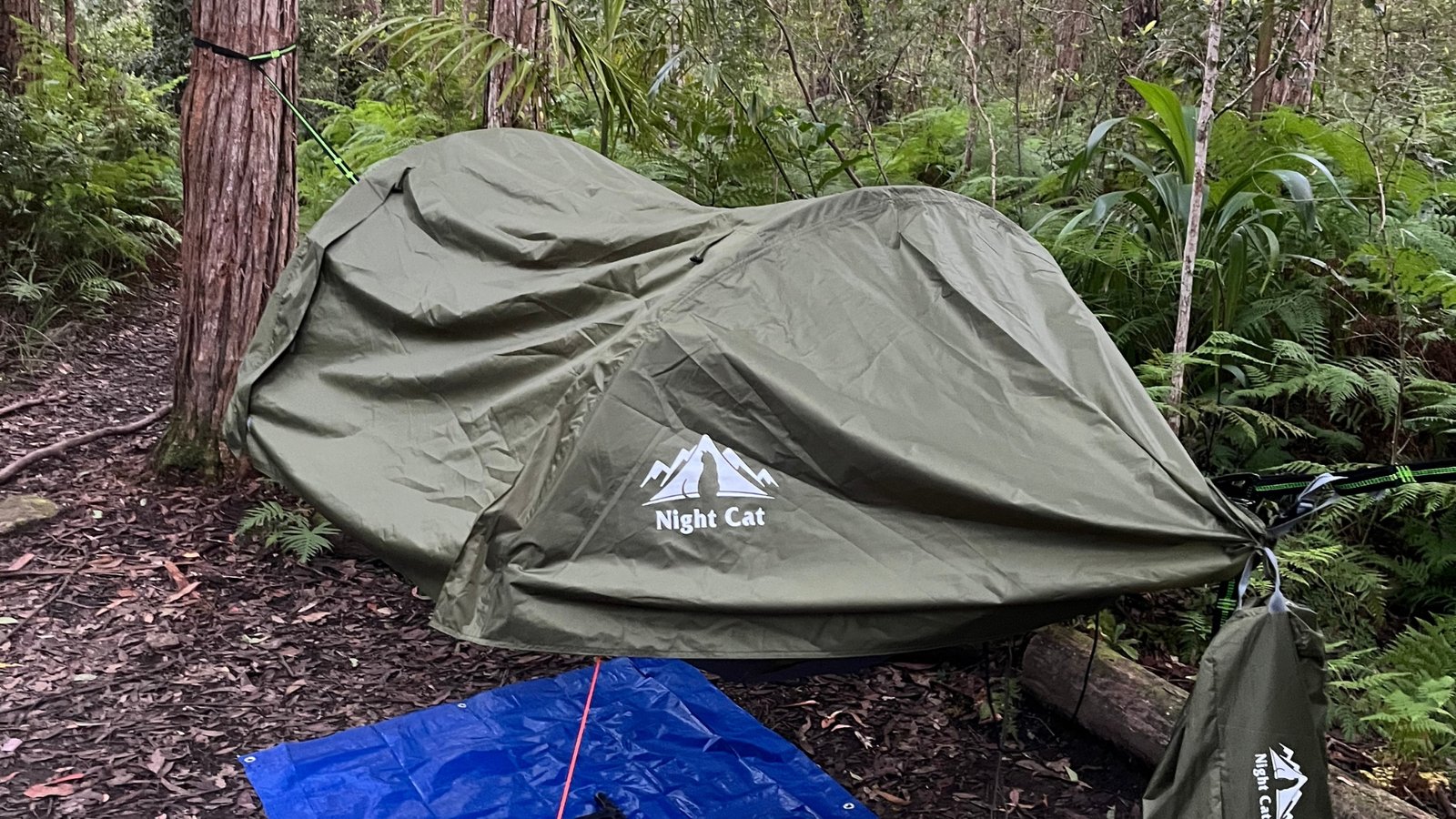
Personally, for Great Walks, I love a lightweight hammock tent because of its versatility. One option I’ve used is this Night Cat hammock system, which can be a traditional hammock, a waterproof hammock-tent with mosquito net and a swag-style setup on the ground. It adapts to different campsites, packs down small, and keeps weight under 1.8 kg.
Lightweight cooking setup
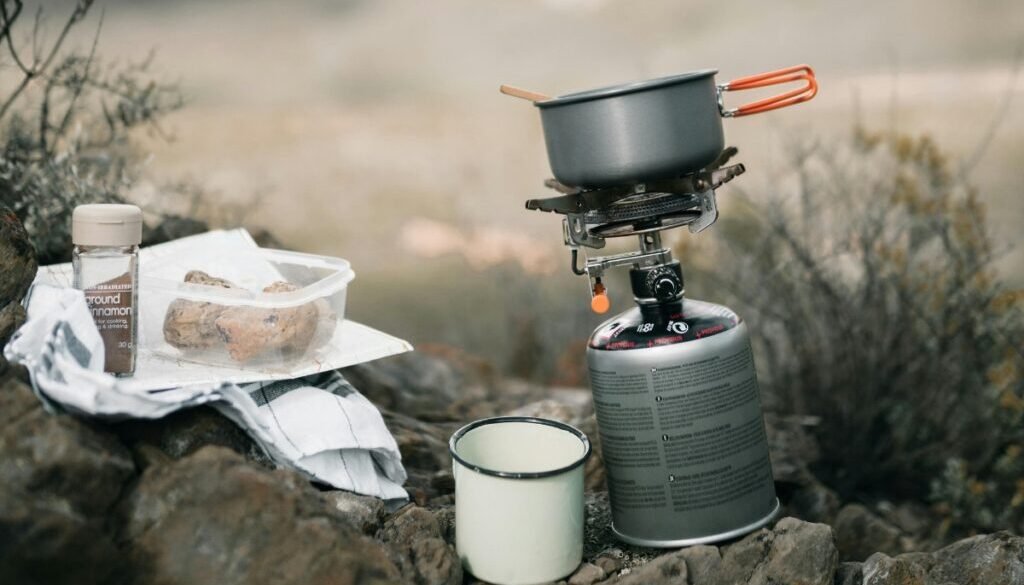
Skip the bulky camp stove. A compact gas setup with a small burner nozzle that screws directly onto the gas canisterdoes the job perfectly. Pair it with a single lightweight pot and folding cutlery.
Small battery bank
You don’t need a massive power station. A small power bank is enough to recharge your phone, keep your headlamp running, use GPS or maps if needed.
Food: lightweight, nutritious, and easy to prepare
Food should fuel your walk, not weigh you down. Please note this is not an exhaustive list of every single food item you should bring. Food choices are highly personal and depend on taste, dietary needs, and how your body responds on long walks. Instead, think of the suggestions below as ideas and inspiration focused on options that are energy-dense, long-lasting and compact.
Breakfast ideas
-
Oats with powdered milk and nuts
-
Instant porridge sachets (decanted into zip-lock bags)
-
Coffee or tea sachets (small luxury, big morale boost)
Lunch & easy meals
These are ideal for quick stops without cooking:
-
Wraps with canned tuna or salmon
-
Crackers with hard cheese
-
Nut butter sachets
Dinner ideas (simple but satisfying)
-
Pasta with pesto (dry pasta + small pesto sachet)
-
Dehydrated meals (repacked to save space)
-
Instant noodles with added tuna or nuts
Snacks (arguably the most important food)
-
Mixed nuts and trail mix
-
Muesli bars or energy bars
-
Dried fruit
-
Dark chocolate (surprisingly resilient in a pack)
Final thoughts
Packing for a Great Walk in South East Queensland is all about intentional choices. Every item should earn its place in your pack by contributing to safety, comfort, or efficiency.
You don’t need the lightest gear on the market, but you do need to think about weight, durability, and versatility – especially on walks like the Sunshine Coast Hinterland Great Walk, where terrain, humidity, and distance all add up.
Pack smart, walk slower, and enjoy the journey. That’s what Great Walks are all about.